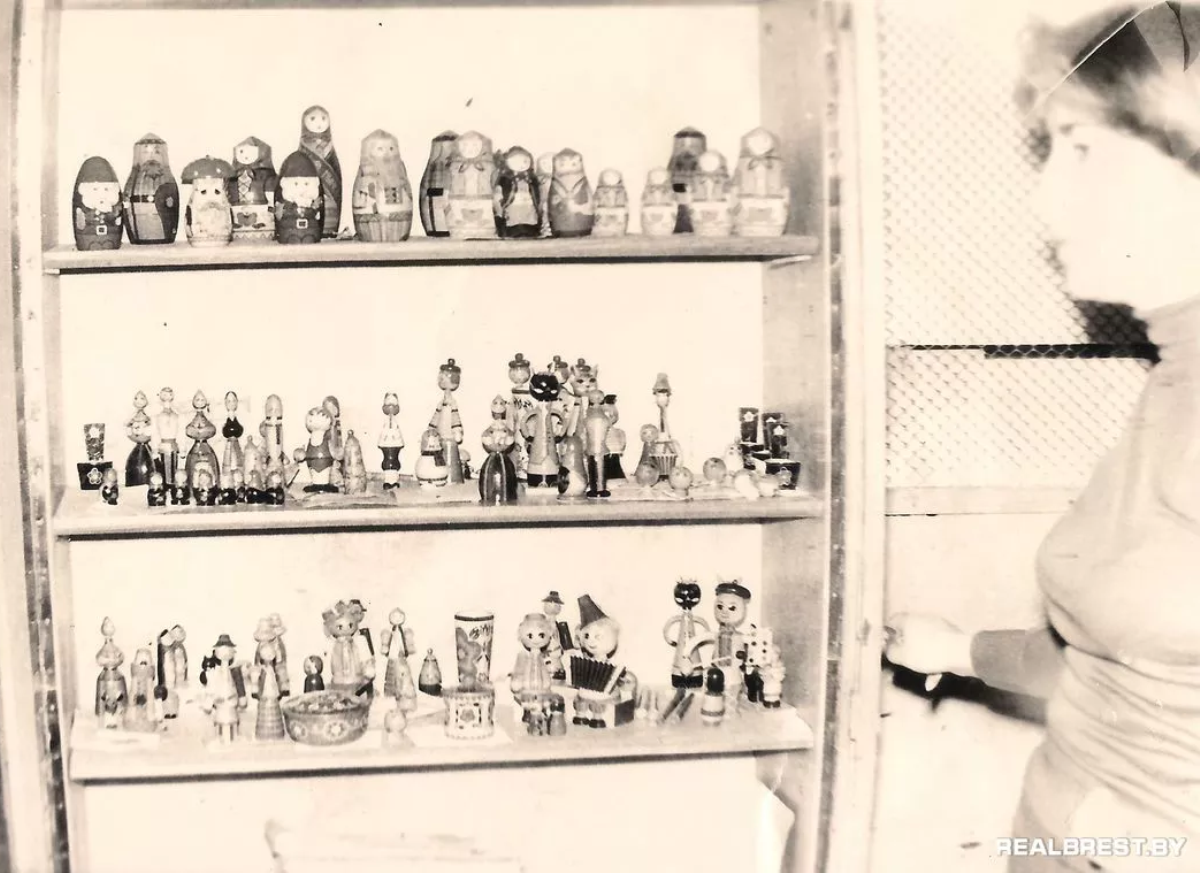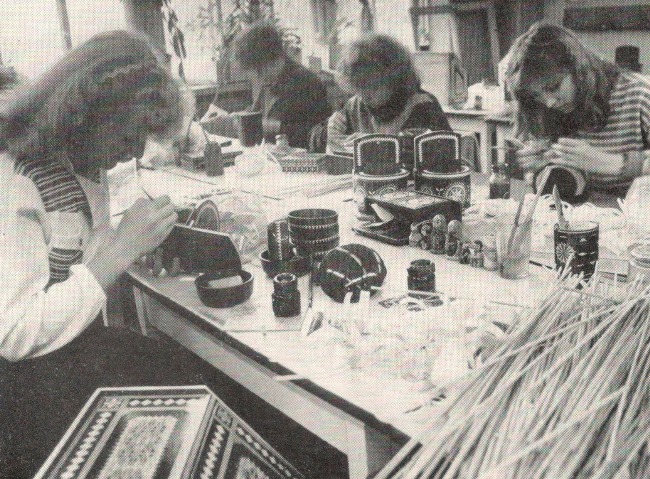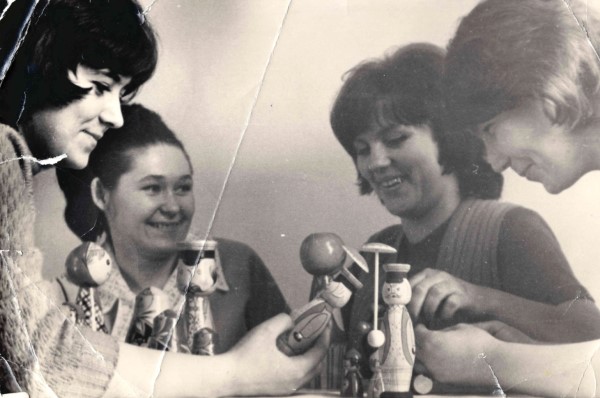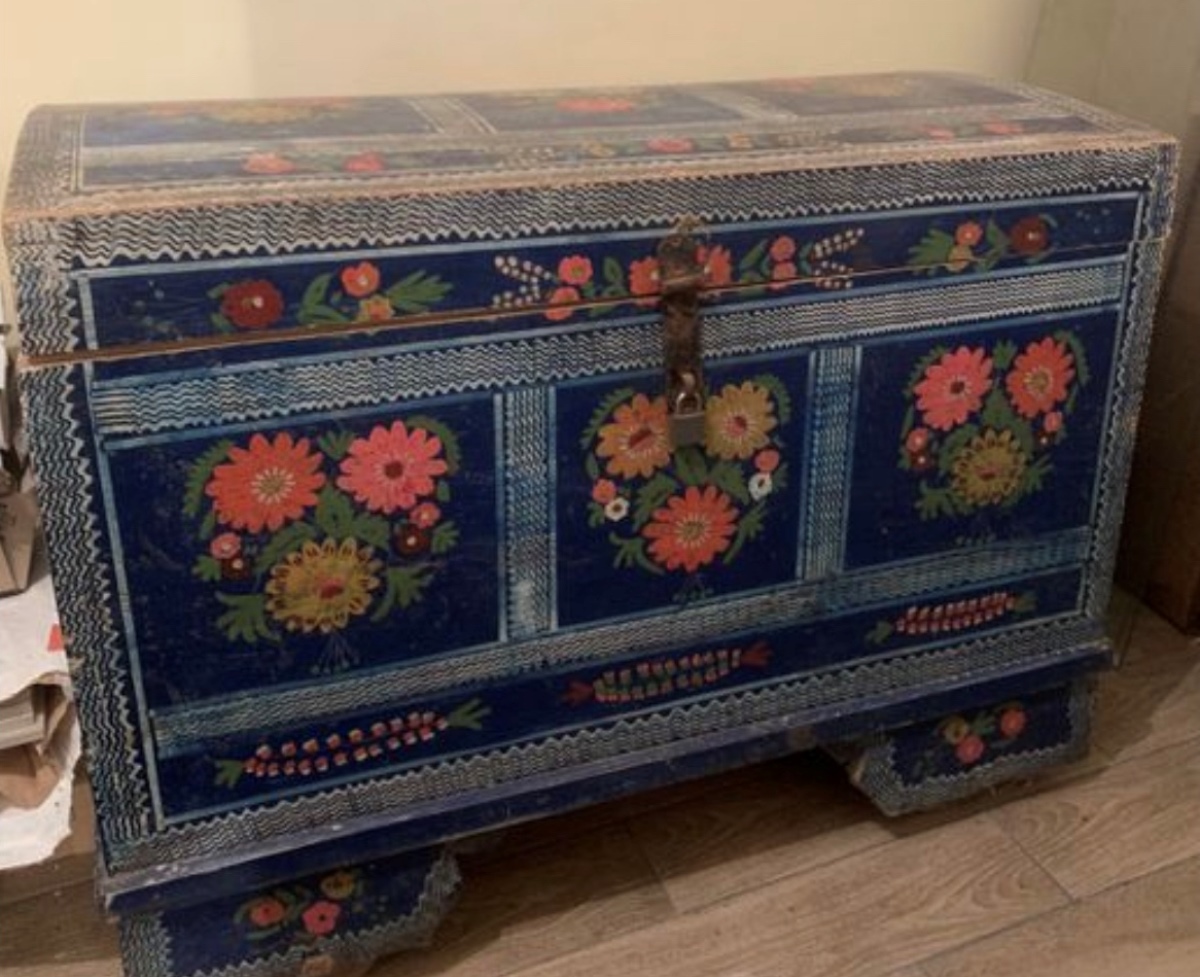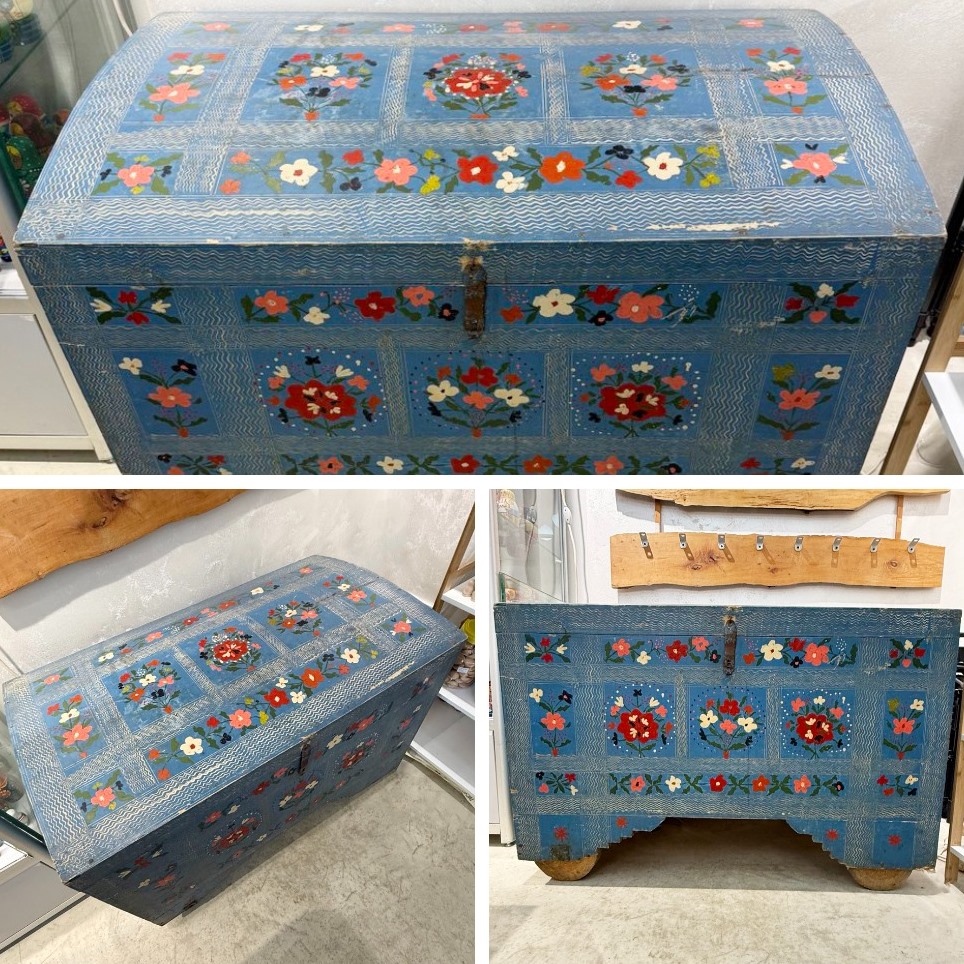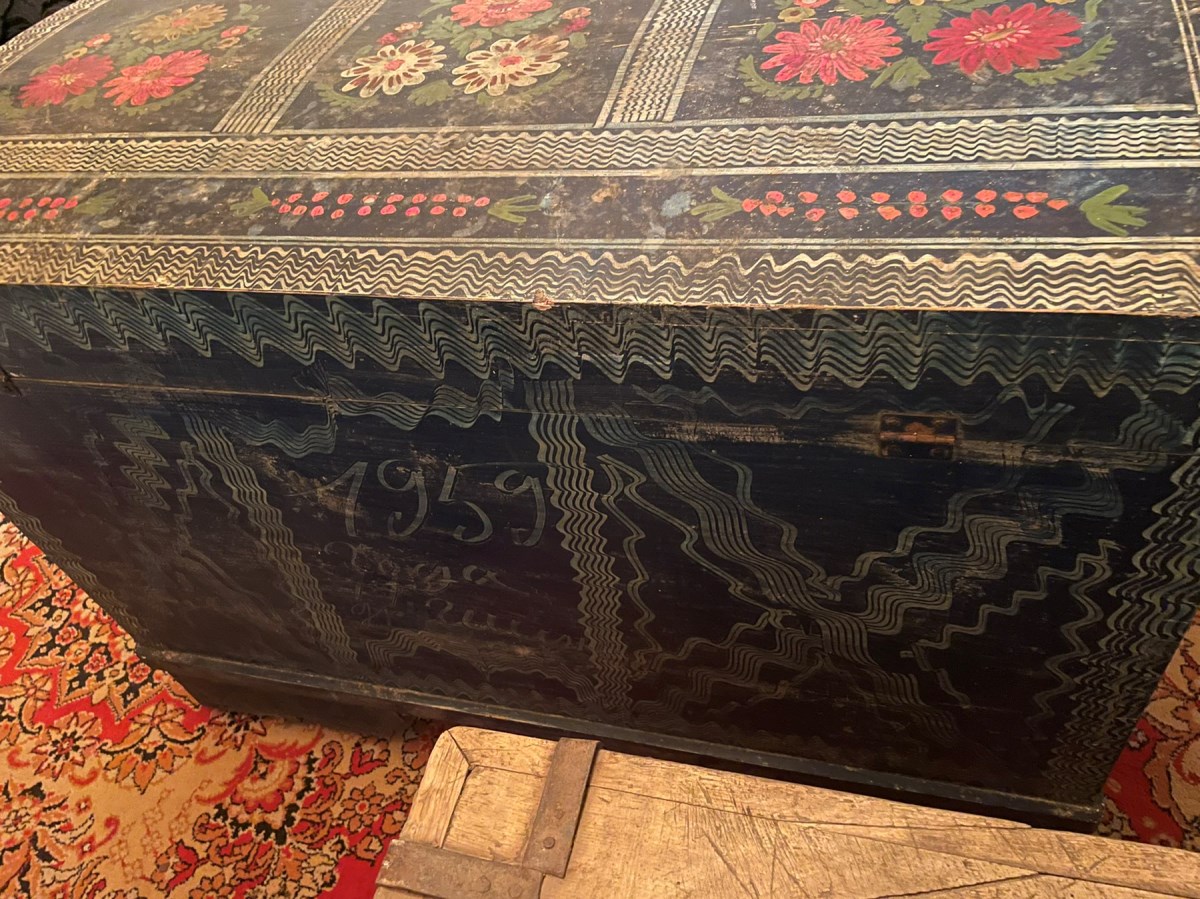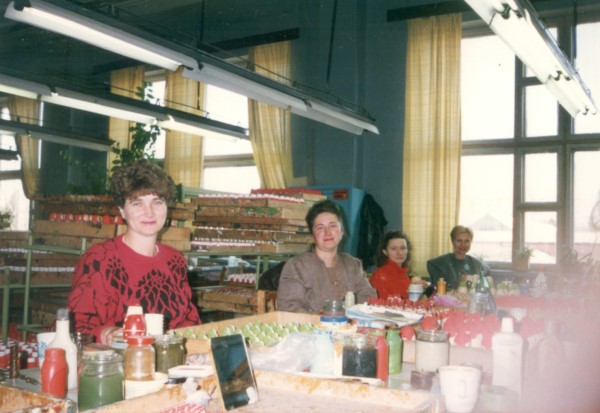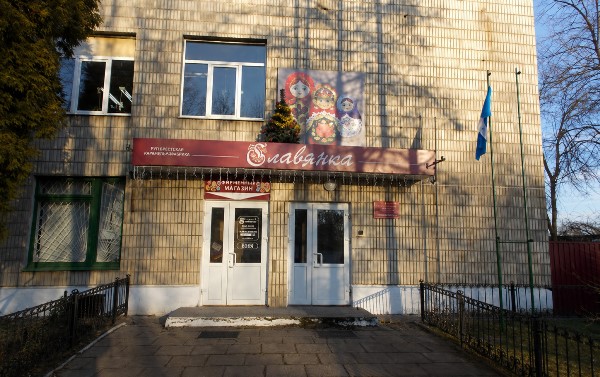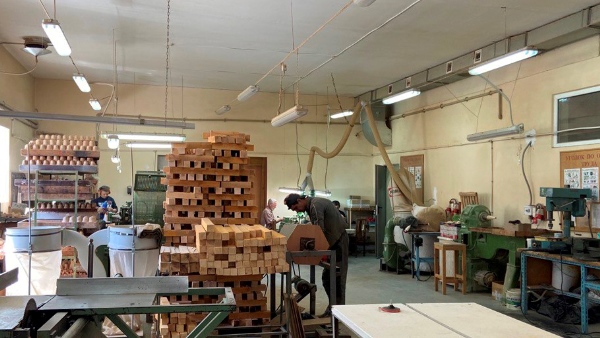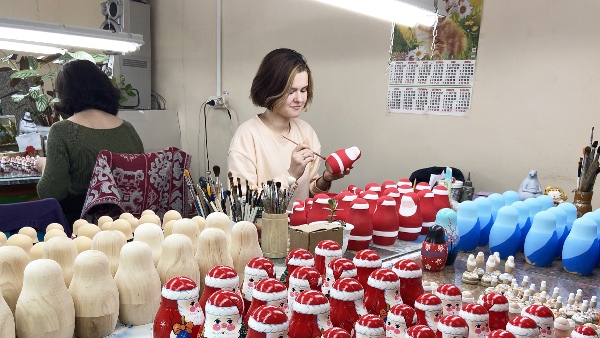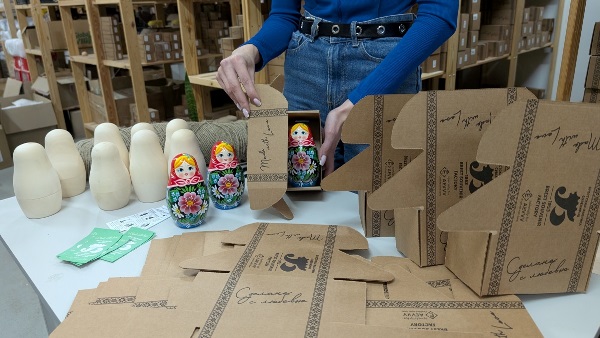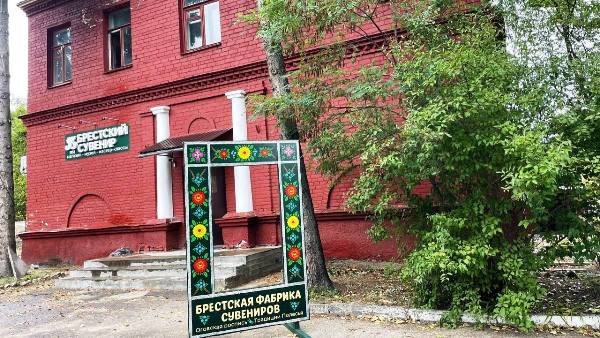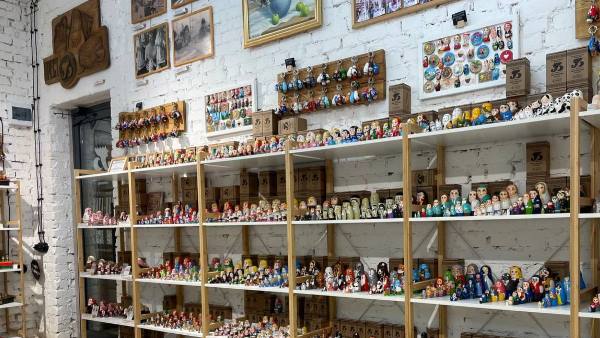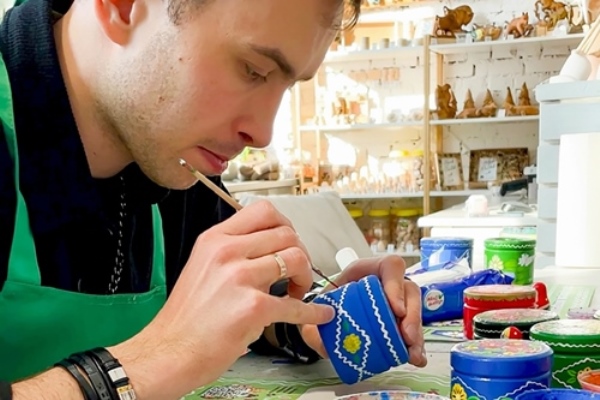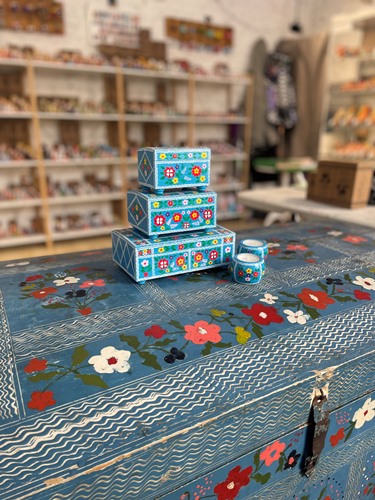







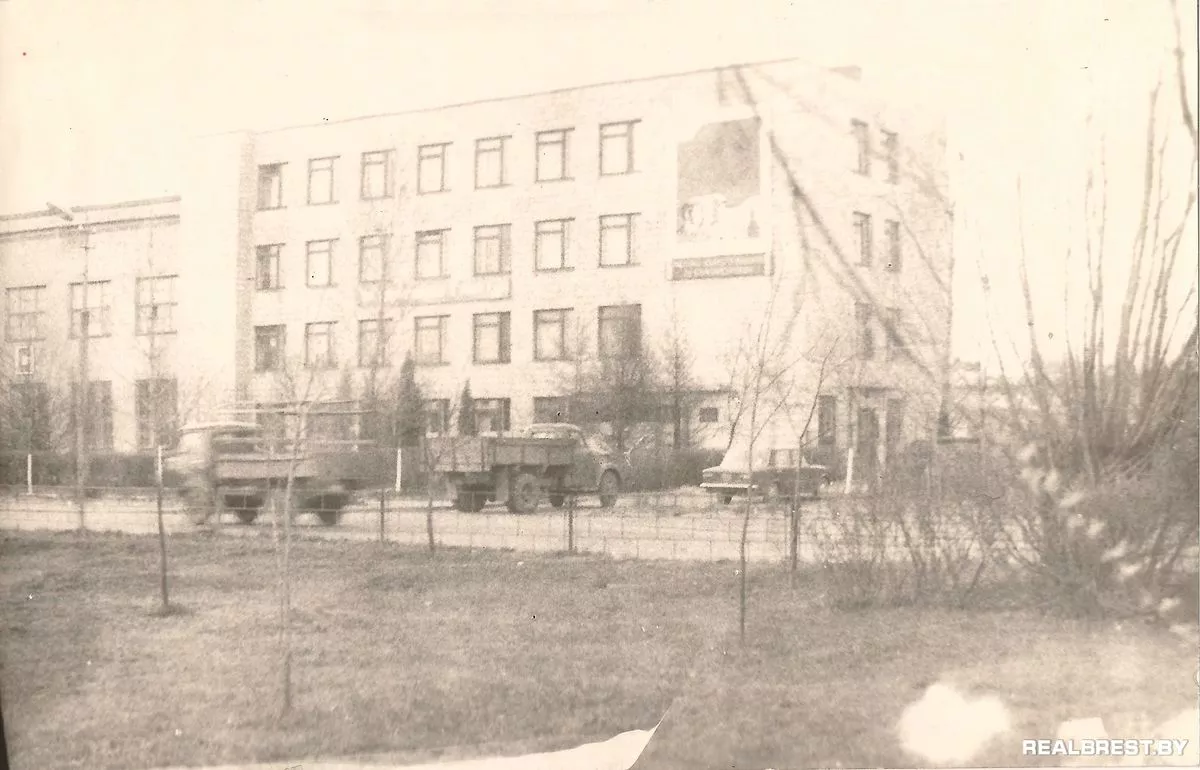
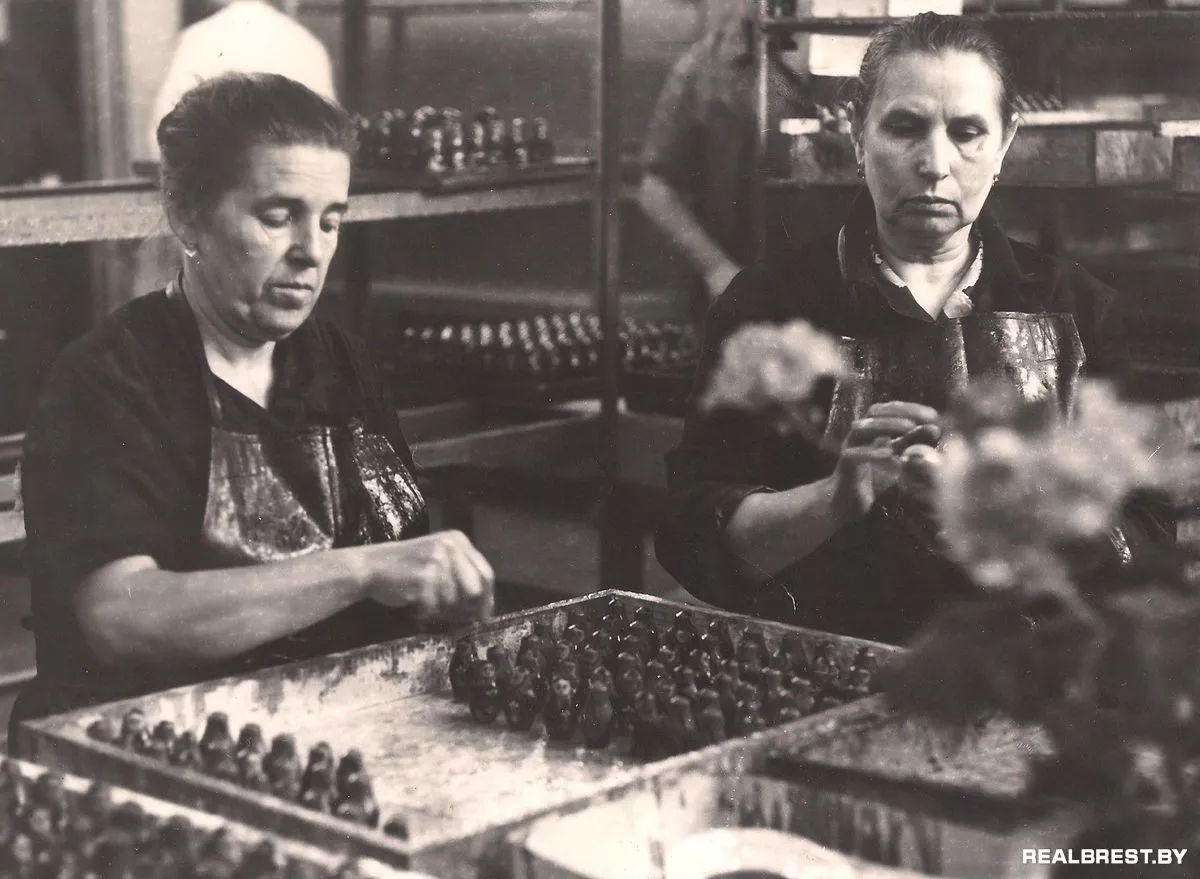
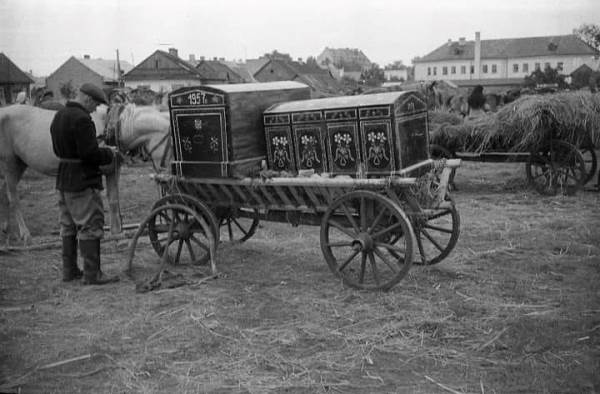
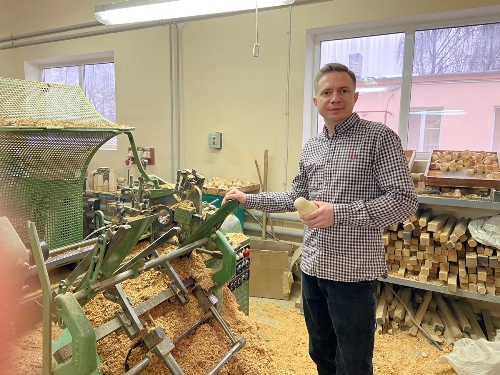
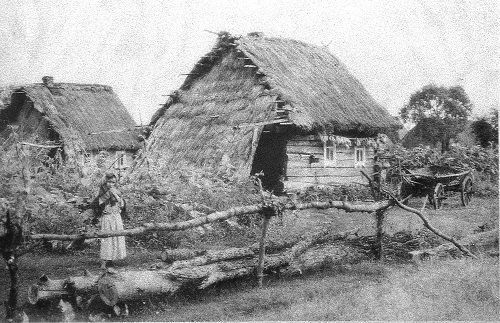
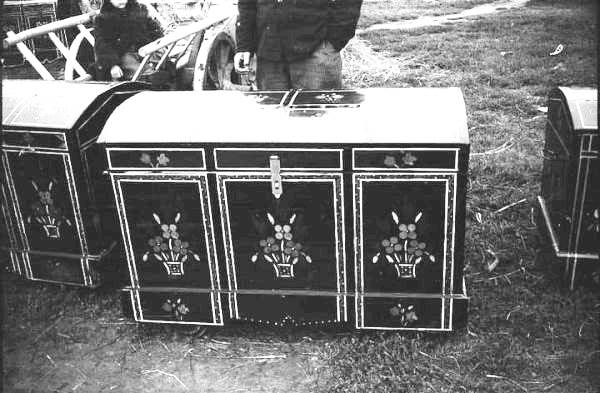
The history of Brest Souvenir Factory begins long before 1953. Its roots go deeper – into the decorative applied art of Belarusian Polesia and the tradition of painted chests of Western Polesia, known as skrynias or kufars.
Ogovskaya painting grew out of this very tradition. It was used to decorate large wooden chests for clothing, dowry, and family belongings. Such a chest was not merely a household object. It stood in a visible place in the home, kept important things safe, accompanied a person through family life, and was connected with ideas of prosperity, protection, beauty, and happiness.
There was nothing accidental in these patterns. Flowers, wavy lines, rhombuses, wreaths, and filled space all formed a special artistic language. People understood it because it was born from their life: from the home, the land, water, work, celebration, and the hope for a good destiny.
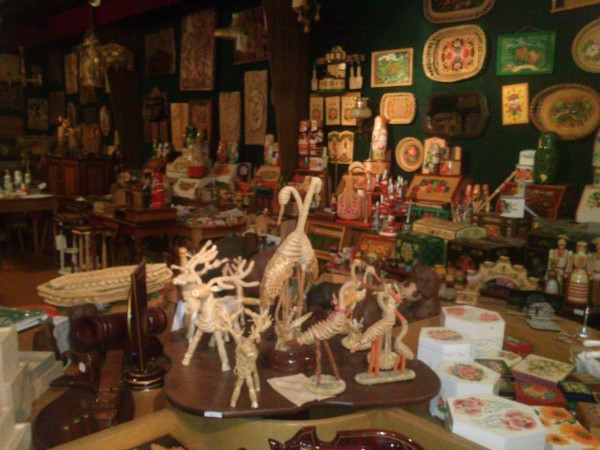
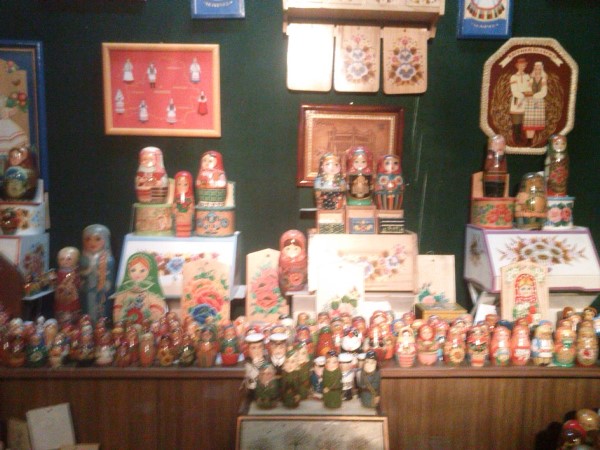
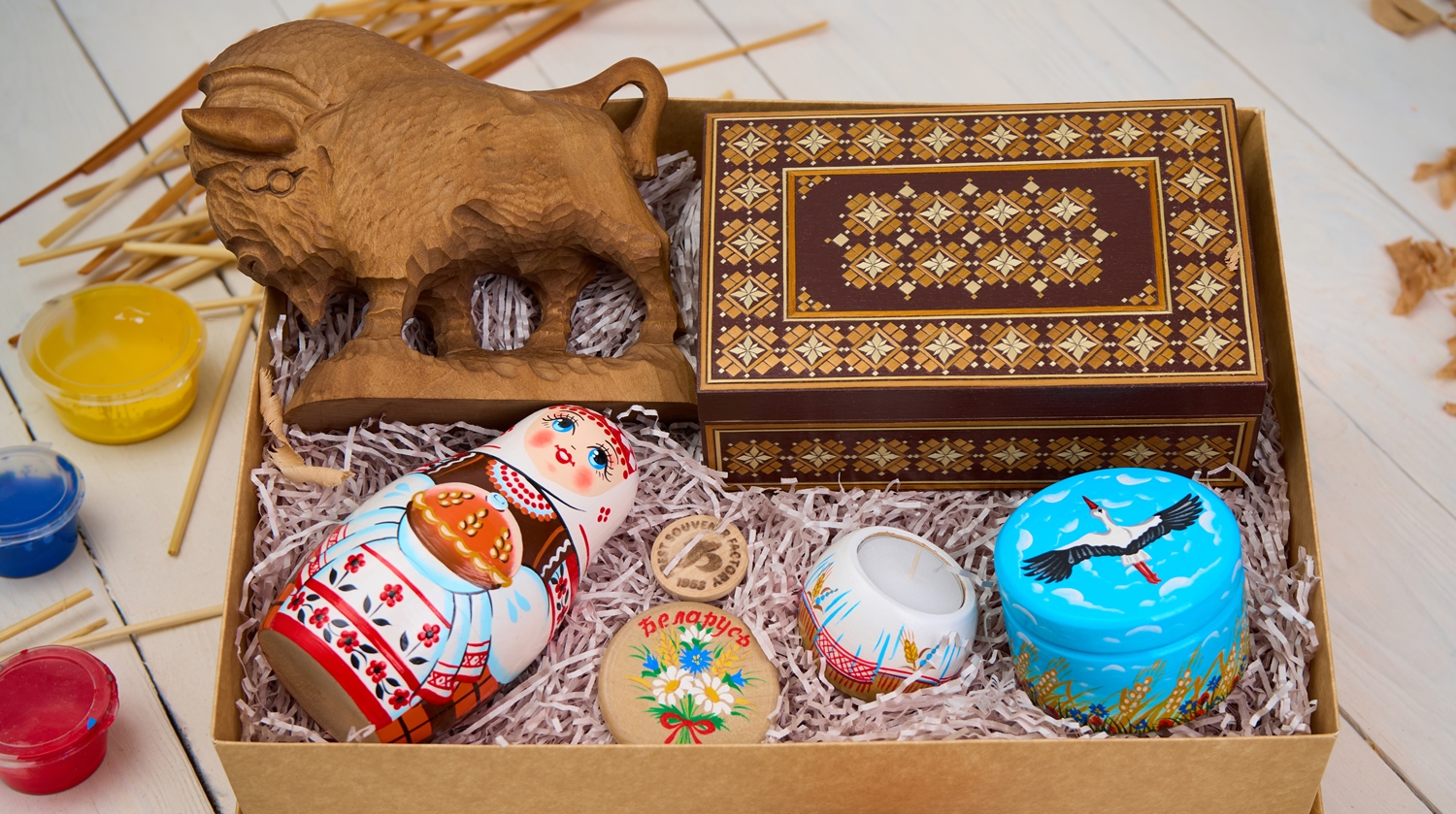
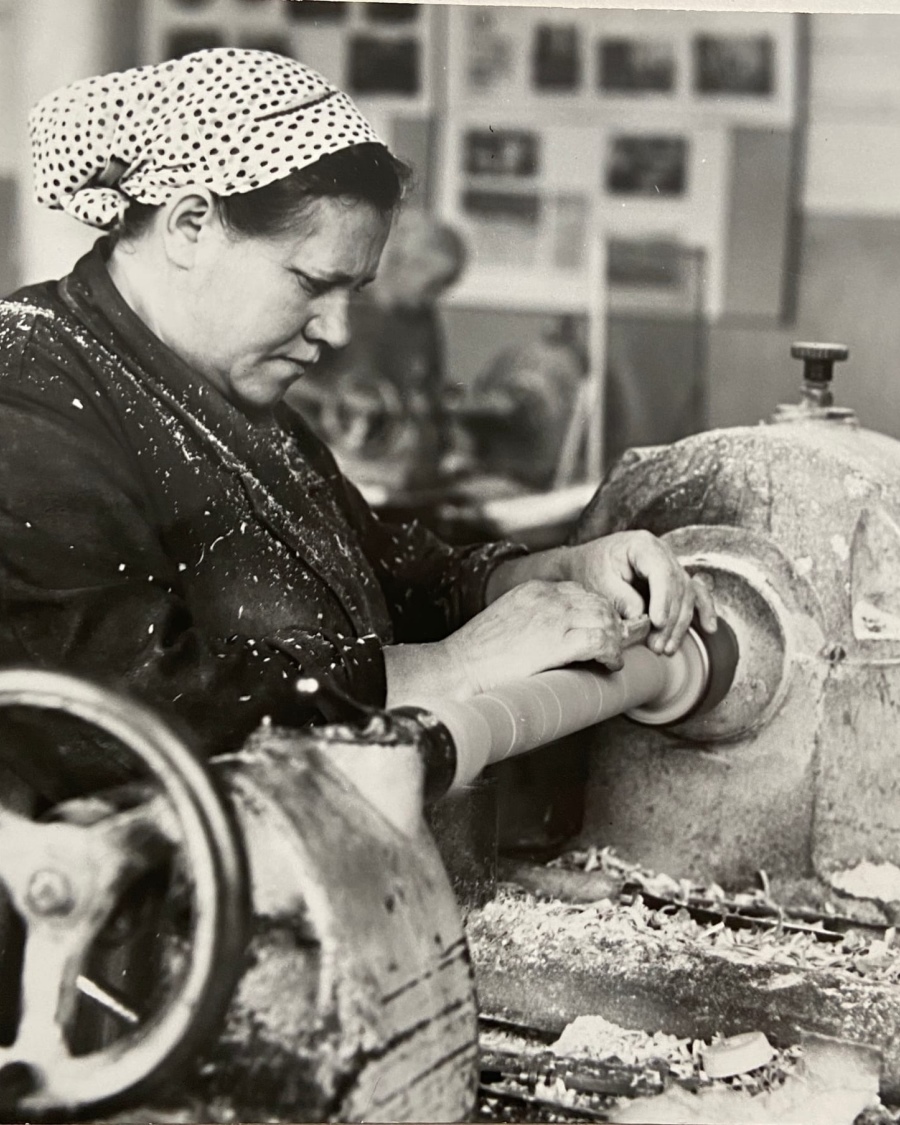
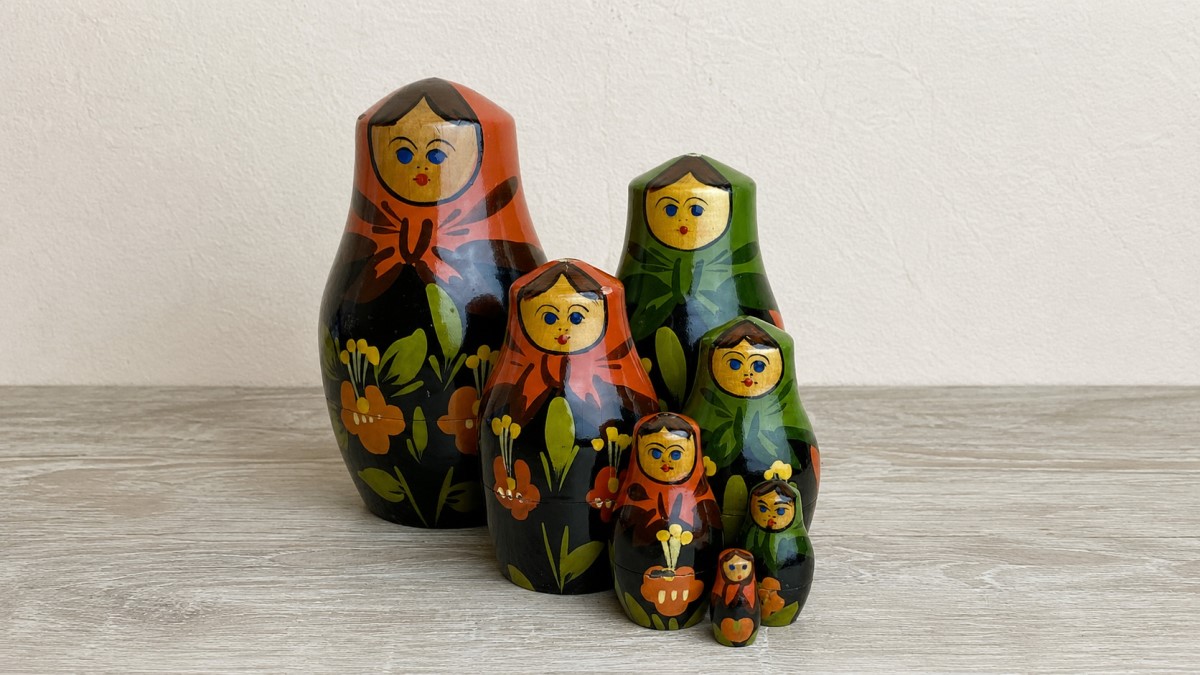
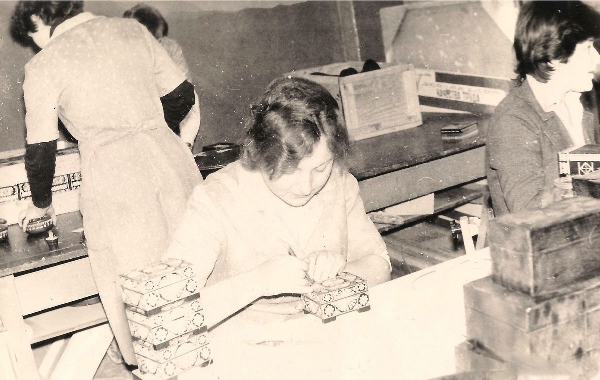
Later, Brest Souvenir Factory returned to this theme many times, transferring motifs of Ogovskaya painting to new forms – boxes, decorative items, and souvenirs. In this way, the tradition of the painted chest continued within factory culture.
Ogovskaya painting is not the only line in our history, but it is one of its deepest symbols. Through it, the connection between the factory, Belarusian Polesia, folk decorative art, and the meanings once placed into objects becomes especially clear.